.png)
Understanding the Fifth Amendment's Impact on American Traditions
- Angel Harrelson

- Jul 22, 2025
- 4 min read
The Fifth Amendment is a crucial part of the Bill of Rights, providing essential rights to individuals within the American legal system. Enacted in 1791, this amendment safeguards citizens against self-incrimination and ensures due process of law. Its implications reach far beyond the courtroom, permeating various aspects of American traditions and social structures. In this blog post, we will delve into the significance of the Fifth Amendment and its enduring impact on American customs and values.
Fifth Amendment
The Fifth Amendment contains key protections for individuals accused of crimes. These include the right to remain silent and protection against double jeopardy, meaning one cannot be tried for the same offense twice after being acquitted. Additionally, it ensures that no one can be deprived of life, liberty, or property without due process.
This amendment is more than just legal jargon; it represents a commitment to individual rights and the principle of justice. The concept of due process is foundational to American democracy, implying that laws and legal proceedings must be fair and apply equally to all individuals. Furthermore, the amendment’s self-incrimination clause reflects a fundamental belief that every person is presumed innocent until proven guilty.
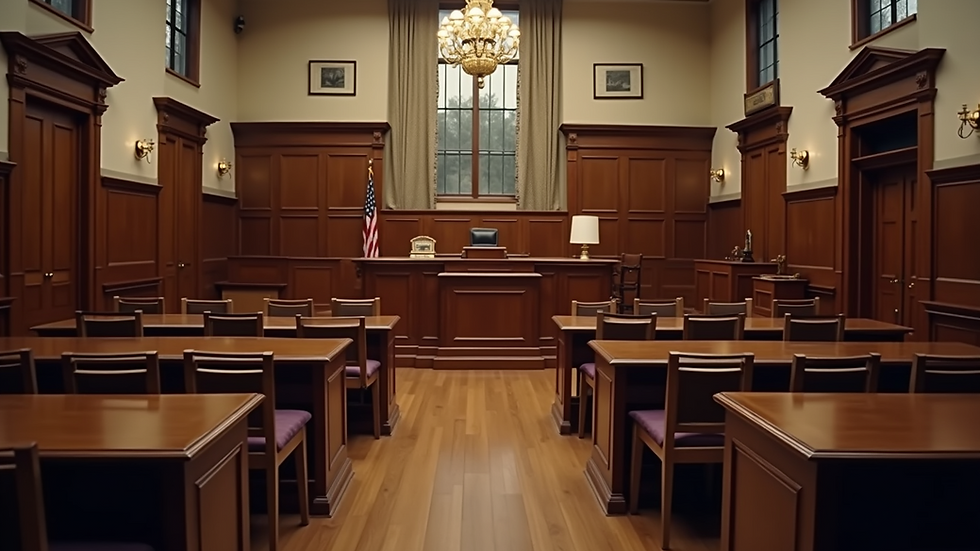
The Fifth Amendment also plays a significant role in how societies view authority and governance. It promotes a skeptical attitude towards governmental powers, encouraging citizens to question the legal systems in place. This skepticism ensures that safeguards exist to protect against potential abuses of power, which is a recurring theme throughout American history.
The Historical Context of the Fifth Amendment
Understanding the Fifth Amendment requires insight into the historical context of its creation. It arose from a rebellion against English common law, specifically the practices of the monarchy that allowed for arbitrary detentions and unfair trials. Many early American thinkers were influenced by Enlightenment ideals, emphasizing the need for social contracts that protected citizens’ rights.
The founding fathers recognized the importance of establishing clear protections for individuals against governmental overreach. They feared the power of a centralized authority, especially one that could imprison or punish individuals without fair trials. As a result, crafting the Bill of Rights became essential to ensure that these profound principles of liberty would be enshrined within the Constitution.
What is the story behind anthem?
The national anthem also plays a role in this complex dialogue of rights and traditions. The anthem serves as a cultural touchstone, evoking feelings of patriotism and unity among Americans. The history of the anthem reflects the values of resilience and freedom that the nation strives to uphold.
As the anthem was adopted and popularized, it became intertwined with national identity, especially during times of war and struggle. This connection underscores an understanding of shared rights, including the protections guaranteed by the Fifth Amendment, which contribute to the collective sense of belonging and national pride.

The anthem's history is richer than a simple melody; it embodies historical struggles and victories that resonate with the principles enshrined in the Constitution. This blend of tradition and legal protection shapes how Americans view their country and its foundational tenets.
The Fifth Amendment in Contemporary Society
In modern America, the Fifth Amendment continues to have a profound impact on various societal issues. For instance, high-profile legal cases often illuminate the relevance of the Fifth Amendment’s protections. The right to remain silent is prominently featured in criminal cases, as many accused individuals choose not to testify against themselves.
Additionally, the amendment has played a critical role in ongoing discussions about police practices and individual rights. Calls for police reform frequently invoke the Fifth Amendment, particularly concerning the treatment of suspects during arrests and interrogations. These contemporary issues highlight the amendment's continued relevance in advocating for justice and individual liberties.
Moreover, public perceptions of the justice system are influenced significantly by how rights, such as those granted by the Fifth Amendment, are upheld. For many citizens, the effectiveness of the justice system hinges on the assurance that core rights are protected. Debates surrounding the amendment often lead to broader discussions about race, class, and socioeconomic status, revealing systemic inequalities that exist within the justice framework.
Celebrating and Defending the Fifth Amendment
Celebrating the Fifth Amendment involves educating citizens about their rights and encouraging civic engagement. Community organizations and legal experts regularly host workshops and discussions to raise awareness of the protections granted by the amendment.
Schools also play a vital role in this education. Integrating civics education into curricula promotes understanding among students about their rights and responsibilities as citizens. Such knowledge not only empowers individuals but also fosters active participation in the democratic process.
In addition, organizations dedicated to defending civil liberties work to ensure that the Fifth Amendment's protections are maintained. They advocate for legislation that reinforces individual rights and challenge practices that may infringe upon these fundamental protections. By participating in such advocacy, citizens can actively contribute to the preservation of their rights and the integrity of the legal system.

The Future of the Fifth Amendment
As society evolves, the interpretation and application of the Fifth Amendment will continue to adapt. Issues like technology, privacy, and national security are reshaping the landscape of individual rights. Courts will face the challenge of applying timeless principles to contemporary problems, requiring a careful balancing act between security and freedom.
The conversation around the Fifth Amendment will likely grow more complex as communities voice concerns over surveillance, data privacy, and the evolving definition of due process. Advocates for civil liberties will need to remain vigilant, ensuring that the spirit of the amendment is upheld, even as new challenges arise.
Ultimately, the Fifth Amendment remains a powerful symbol of American values. Its influence extends beyond law and courtrooms, permeating the fabric of American life and customs. By understanding and defending these rights, citizens can contribute to a society that truly values justice and liberty for all.


Comments