.png)

The Journey to Establishing America’s Anthem
- Angel Harrelson

- Apr 30, 2025
- 5 min read
The journey of creating a national anthem is steeped in history, emotion, and pride. It is a story that encapsulates the essence of a nation, expressing its values, struggles, and aspirations. In the United States, this journey revolves around a beautiful piece of music and heartfelt lyrics that resonate with millions. This blog post will explore the fascinating background, key events, and influential figures involved in the making of America’s beloved anthem.
Anthem Creation: An Unforgettable History
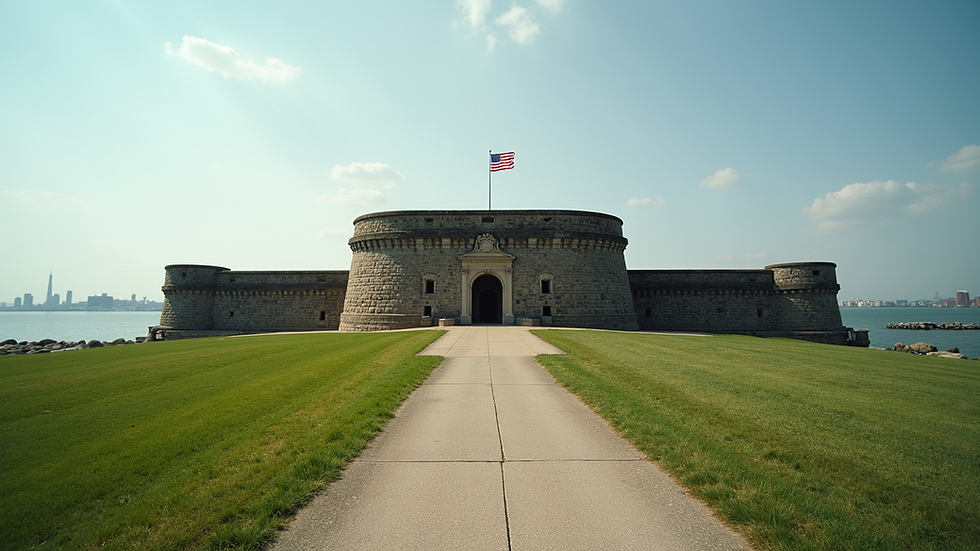
America's anthem, "The Star-Spangled Banner," did not arise overnight. It has a rich history that reflects the country’s fight for freedom. The creation of this anthem began with Francis Scott Key, a lawyer and amateur poet, who found himself at the heart of a pivotal moment in American history. The anthem’s origins trace back to the War of 1812, where American forces, led by Major George Armistead, defended Fort McHenry against British attack.
The story of the anthem's creation serves as a reminder of the indomitable spirit of the American people. When you listen to the anthem today, you hear more than just melody and lyrics; you hear a narrative that binds the nation together.
What Sparked Its Creation?
The historical context of "The Star-Spangled Banner" is essential to understand why it was created. The War of 1812 was a tumultuous time in American history. The nation faced challenges from British forces, which aimed to reclaim their former colonies. The Battle of Baltimore was one of the war's turning points.
During this battle, Key was on a British ship to negotiate the release of a prisoner. He watched the fierce bombardment of Fort McHenry from the ship, anxiously waiting to see if the flag would still fly when dawn broke. The sight of the American flag triumphantly rising in the morning light inspired Key to compose a poem that praised the resilience and bravery of American soldiers.
What Happened on September 13th, 1814?
On September 13th, 1814, the British launched a relentless bombardment of Fort McHenry. It lasted for around 25 hours. As the bombs exploded around him, Key remained hopeful, although the situation seemed dire. By dawn's early light, when the smoke cleared, the sight of the American flag, a "star-spangled banner," still waving over the fort filled him with overwhelming emotion.
That moment wasn't just a personal victory for Key but served as a symbol of America’s spirit and resilience during trying times. Key’s composed response during this moment led him to write the poem that would eventually become the lyrics of the national anthem.

From Poem to Anthem: The Musical Transformation
Initially, Key's poem was entitled "Defence of Fort McHenry." It wasn’t until 1931 that it would be adopted as the national anthem of the United States. The poem was paired with a popular melody composed by John Stafford Smith, originally intended for a drinking song called "To Anacreon in Heaven."
The juxtaposition of Key's poignant lyrics and Smith's rousing melody is what propelled "The Star-Spangled Banner" to its eventual status. This transformation from a military verse to a patriotic anthem was a natural progression. Key’s words spoke to the heart of the nation, articulating the pride and determination citizens felt during times of conflict.
Cultural Significance of the Anthem
"The Star-Spangled Banner" serves as a powerful representation of American identity. It embodies the themes of courage, sacrifice, and unity. Every time the anthem is played, it prompts a collective experience that uplifts the spirit of the nation.
Interestingly, it is not just the words and melody that resonate with Americans. The performance of the anthem has also evolved into a national event. From sporting events to memorials, the anthem has become a time-honored tradition that sparks camaraderie and respect.
Moreover, the anthem has taken on a life of its own, with various renditions by artists from different genres, each adding their unique interpretations. These performances, whether heartfelt or powerful, underscore the anthem’s versatility and omnipresence.

The National Anthem in Modern Times
In recent years, "The Star-Spangled Banner" has taken on new meanings as it relates to social issues. Various movements have used the anthem to voice their causes, drawing attention to the ongoing struggle for equality and justice in America.
This complex relationship illustrates how the anthem transcends simple patriotism. It invites reflection on the past, acknowledgment of present challenges, and a collective hope for the future. The national anthem creation represents a microcosm of American life—the highs, the lows, and the enduring spirit of perseverance that resides within its citizens.
In light of the ongoing discussions about social justice, the anthem has sparked numerous conversations about its place in American culture. While many revere it as a symbol of unity, others critique its historical context, propelling conversations about change and growth in society.
Understanding the Legacy of "The Star-Spangled Banner"
The legacy of America's anthem is immense. It serves as a reminder of the sacrifices made throughout history. As we delve deeper into its message, we realize that Key's anthem encourages resilience and unity among Americans, irrespective of their background.
From its inception as a poem inspired by chaos to its established position as the national anthem, "The Star-Spangled Banner" continues to evolve. The interplay between history and modern interpretation creates a dynamic dialogue about what it means to be an American.
The journey from a simple wartime poem to America’s anthem reflects the growth of a nation. The emotive power of the anthem showcases the diverse experiences and aspirations that continue to shape the American identity.
Celebrating Our Anthem: A Call to Reflection
As we reflect on the journey of establishing America's anthem, it is essential to celebrate not only the music and lyrics but also the spirit they embody. As we proudly sing "The Star-Spangled Banner," let us remember the significance of its creation, its historical roots, and the collective narrative it represents.
In celebrating our anthem, we invite conversations that further enrich its meaning—a harmony of voices that echoes throughout time. The layers of history, struggle, and hope continue to resonate, confirming that the anthem is not merely a song but a story of a nation's resilience and hope for the future.
As we deepen our understanding of the national anthem creation, may we also strive to foster unity, respect, and understanding amongst ourselves, honoring the true spirit of "The Star-Spangled Banner."
In recognizing both the challenges and triumphs, we can find strength in our shared identity and collectively pave the way for a more inclusive legacy for the next generations.


Comments