.png)
How America’s National Anthem Came to Be
- Angel Harrelson

- Apr 21, 2025
- 3 min read
The story of America's national anthem is not just a tale of music; it is a journey that encompasses history, bravery, and a sense of identity. "The Star-Spangled Banner," written by Francis Scott Key during the War of 1812, has become a timeless symbol of American resilience. In this blog post, we will explore the fascinating history behind its creation, the circumstances that led to it, and how it eventually became the official national anthem.
The Anthem Creation: Origins and Inspiration
In the early 19th century, America was still a burgeoning nation grappling with its identity and role in the world. The War of 1812, fought between the United States and Great Britain, was a crucial moment for America. Key events during this conflict directly influenced the writing of the national anthem.
On September 13, 1814, Francis Scott Key, a young lawyer and amateur poet, witnessed the British bombardment of Fort McHenry in Baltimore. He was aboard a ship negotiating the release of a friend who was held captive. Key was captivated by the sight of the American flag flying defiantly through the smoke and chaos of battle. This moment became the catalyst for his poem, which would later be set to music.

Key's experience that night was filled with emotion and patriotism. The flag's resilience became a symbol of hope and determination. Inspired by what he saw, Key scribbled down his thoughts on the back of a letter, composing what would become the first stanza of "The Star-Spangled Banner."
The Journey from Poem to Anthem
Once the poem was completed, it was initially titled "Defence of Fort M'Henry." It was published in a Baltimore newspaper shortly after the battle. Though the poem gained popularity, it was not yet recognized as a national anthem.
The music for Key's poem came from "To Anacreon in Heaven," a popular British drinking song. This catchy melody made it easy for Americans to adopt the words as a song. Singalongs at public events, gatherings, and celebrations gradually helped to embed the anthem into American culture.

Key's lyrics spoke of bravery, resilience, and the indomitable spirit of the American people. As the years went on, the song grew more popular, and its message resonated deeply with the American public, especially during times of national strain such as the Civil War and World Wars.
What happened on March 3, 1931?
After more than a century of popularity, "The Star-Spangled Banner" was officially designated as the national anthem of the United States on March 3, 1931. This decision was made through an Act of Congress, highlighting the significance of the song in American history.
Before this declaration, there were many other songs vying for the title of national anthem, including "Hail, Columbia" and "My Country, 'Tis of Thee." However, Congress recognized that Key's song represented the unified spirit of the nation and chose it as a symbol of American pride.
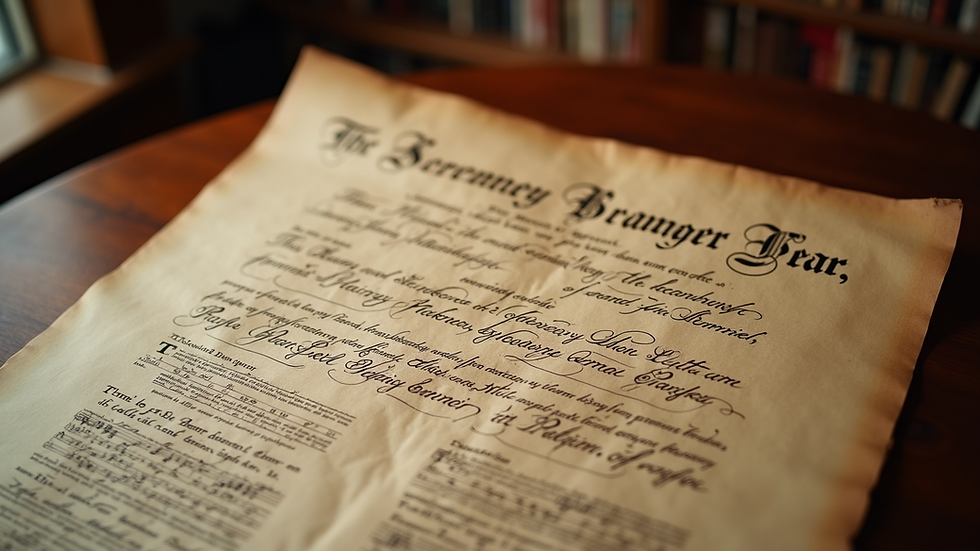
The designation did not go without controversy; some critics felt that the anthem was difficult to sing and did not truly represent the nation's expansive diversity. Regardless, it stood as a testament to America's journey and perseverance.
The Anthem in Modern America
Today, "The Star-Spangled Banner" is performed at countless events across the nation, from sports games to presidential inaugurations. It serves not only as a tribute to the country's history but also as an opportunity for reflection on the freedoms and values the nation stands for.
Its lyrics evoke a sense of national pride, reminding citizens of the sacrifices made for freedom. The anthem has become entwined with American identity, often performed in moments of unity and patriotism.
Despite its high-standing position, there are modern discussions surrounding the anthem's lyrics. Some critics argue that specific historical contexts in the anthem could be re-evaluated. Still, the song holds a cherished place in American culture and history, representing much more than just a melody.
Final Thoughts on the Evolution of 'The Star-Spangled Banner'
The journey of America's national anthem is an insightful reflection on the nation's history, resilience, and unity. "The Star-Spangled Banner" serves as a reminder of where we came from and what we stand for. As we celebrate this song, it’s essential to remember the history it represents and the ongoing journey of the country it symbolizes.
The national anthem creation highlights not only the struggles faced but also the hopes and aspirations of a diverse nation. The anthem continues to inspire and evoke pride, reminding us of our shared values and the spirit of unity that binds us together. As we stand during its performance, we pay homage to a legacy that continues to unfold.


Comments